

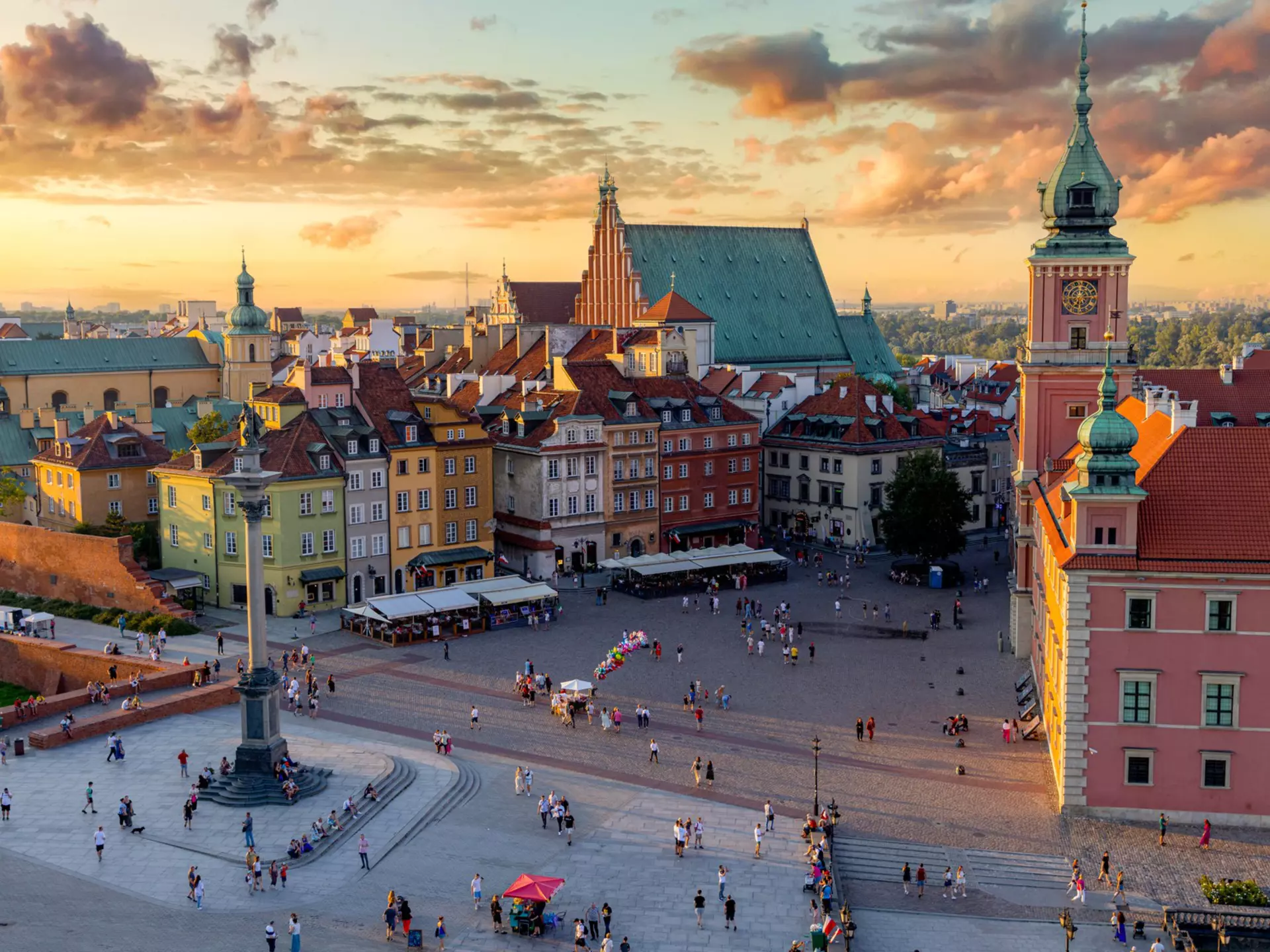
For nearly two decades, the sound of the Polish language was as much a staple of the British high street as the smell of fish and chips. Since Poland’s accession to the European Union in 2004, the UK became the primary destination for a generation of ambitious Poles seeking opportunity. By 2017, this community, known as ‘Polonia,’ reached a historic peak of 1.02 million people, making Polish the most common non-British nationality in the country. But today, that tide has not just turned; it has receded with a force that should alarm every policymaker in Westminster.
The Hollow Promises of ‘Taking Back Control’
The architects of Brexit promised a British renaissance—a sovereign nation that would ‘take back control’ of its borders and prioritize its own economic health. Instead, the data from the Office for National Statistics (ONS) tells a story of self-inflicted decline. According to the ONS, Polish nationals have been surpassed by Indian nationals as the largest foreign-born group, with the number of Poles residing in the UK plummeting to approximately 691,000 by June 2021. This contraction is not the result of a successful immigration policy, but rather a symptom of a nation becoming less attractive, less welcoming, and less economically viable for one of its most industrious demographics.
“The number of Polish nationals living in the UK has fallen significantly since the Brexit referendum, ending a decade of growth,” notes the Migration Observatory at the University of Oxford.
Brexit was sold as a way to streamline migration and favor ‘high-skilled’ workers, but the reality is that it has merely created a bureaucratic nightmare. The EU Settlement Scheme (EUSS), while providing a pathway to stay, served as a psychological barrier, forcing residents who had lived, worked, and paid taxes in the UK for years to ‘apply’ for the right to continue their lives. As of June 2021, over 1.1 million Poles applied for status—a figure higher than the estimated resident population—revealing a community in flux, caught between a home that no longer felt certain and a motherland that was beginning to look much more promising.
Economic Divergence: The Polish Tiger vs. the British Snail
Perhaps the most damning indictment of Brexit is the narrowing economic gap between the two nations. While the UK has been mired in a stagnant recovery, exacerbated by a severe cost-of-living crisis and rampant inflation, Poland has transformed into one of Europe’s most robust economies. As TVP Info Analysis highlights, “Brexit, the high cost of living in the UK, and the improving economic situation in Poland are the main reasons for the exodus.”
For a Polish worker in 2024, the math simply doesn’t add up the way it did in 2004. The UK’s housing market is prohibitive, energy costs are sky-high, and wage growth has failed to keep pace with the price of basic goods. Meanwhile, Poland offers a lower cost of living, rapid GDP growth, and aggressive social programs like ‘800+’, which provides significant child benefits. For many in the ‘Polonia’ community, the ‘British Dream’ has been replaced by the ‘Polish Reality’—a life where one can work in a high-tech sector in Warsaw or Kraków and enjoy a quality of life that is increasingly out of reach in London or Manchester.
The Brain Drain and the Labour Gap
The exodus of Poles is not just a demographic curiosity; it is an economic wound for the UK. Industries that once relied on a flexible, hard-working Polish workforce—manufacturing, transport, and hospitality—are now facing chronic labor shortages. The new points-based immigration system treats EU citizens with the same cold indifference as those from the rest of the world, effectively ending the era of circular migration. This lack of flexibility means that when a Polish butcher or HGV driver leaves, there is no one to replace them. Ironically, the very sectors Brexit was supposed to ‘protect’ for British workers are the ones struggling most to survive without their Polish counterparts.
A Settled Minority in a Changing Land
What remains of the Polish community is changing. Those who have stayed are no longer transient laborers; they are integrated, settled minorities with British-born children and deep roots. However, the inflow of new talent has slowed to a trickle. The UK has successfully traded a vibrant, culturally integrated European community for a rigid, bureaucratic system that serves neither the economy nor the social fabric. As we look at the timeline from the 2004 accession to the 2024 demographic shift, it is clear that Brexit did not ‘fix’ migration; it simply alienated our closest neighbors and sent them back to a flourishing Poland, leaving Britain poorer, lonelier, and less dynamic.