
Tensions in Kyiv: Diplomacy and Historical Memory
In a week defined by a recalibration of international relations, Polish Foreign Minister Radosław Sikorski found himself at the epicenter of a complex diplomatic maneuver. Following a high-stakes meeting in Kyiv, the Polish delegation signaled a cooling of the recent ‘unconditional’ support narrative, as Sikorski expressed significant disappointment regarding President Volodymyr Zelenskyy’s stance on historical memory. The friction centers on the exhumation of victims of the Volhynian massacre, a long-standing point of contention between the two nations.
Sikorski’s rhetoric marked a notable shift in the diplomatic tone, as reported by RMF24. The Foreign Minister emphasized that while Poland remains a crucial military and humanitarian ally to Ukraine, the resolution of historical grievances is a moral imperative.
“I am disappointed because we expected a different approach to the issue of exhumations, which is a humanitarian and Christian duty for us,”
Sikorski stated, according to official government reports. This development suggests that Warsaw is increasingly linking future cooperation and aid to progress on specific bilateral humanitarian issues, a move that has sparked intense debate among foreign policy analysts regarding the long-term stability of the Polish-Ukrainian alliance.Infrastructure Evolution: CPK Project Moves to Active Phase
Domestically, the Tusk administration has signaled a definitive end to the period of review for the Central Communication Port (CPK). Maciej Lasek, the Government Plenipotentiary for CPK, announced that the massive infrastructure project in Baranów is entering its first concrete phase of development. Despite previous political skepticism, the government has committed to beginning key preparatory works and demolitions as early as September 2024. This transition from planning to field operations represents a significant milestone for what is projected to be one of Europe’s largest logistics and transport hubs.
According to reports from Wprost and the official CPK press office, the September works will serve as the cornerstone for the airport’s physical footprint.
“In September, we are starting works that are the cornerstone for the construction of the new airport,”
Lasek noted. The progression of the project is being hailed by infrastructure advocates as a vital economic engine that will transform Poland into a global logistics hub, though it continues to face scrutiny from local communities and fiscal conservatives.Economic Strength: The Resilient Złoty
On the financial front, the Polish Złoty (PLN) has emerged as one of the week’s strongest performers in the region. The currency maintained a robust position against both the Euro and the US Dollar, trading near multi-week peaks. Financial analysts at ING Bank Śląski attribute this strength to a combination of the National Bank of Poland’s hawkish monetary policy and the steady inflow of capital from the EU’s Recovery Fund (KPO). The Złoty’s stability is viewed as a sign of growing investor confidence in Poland’s rule-of-law reforms and general economic resilience.
Market data published by the Polish Press Agency (PAP) indicates that the PLN remains stable against the Euro while showing marginal fluctuations against a volatile Dollar. Analysts suggest that high interest rates in Poland are successfully attracting foreign capital, providing a buffer against external economic shocks. This financial stability is particularly notable as other regional currencies face pressure from global market shifts.
Local Political Turmoil in Kraków
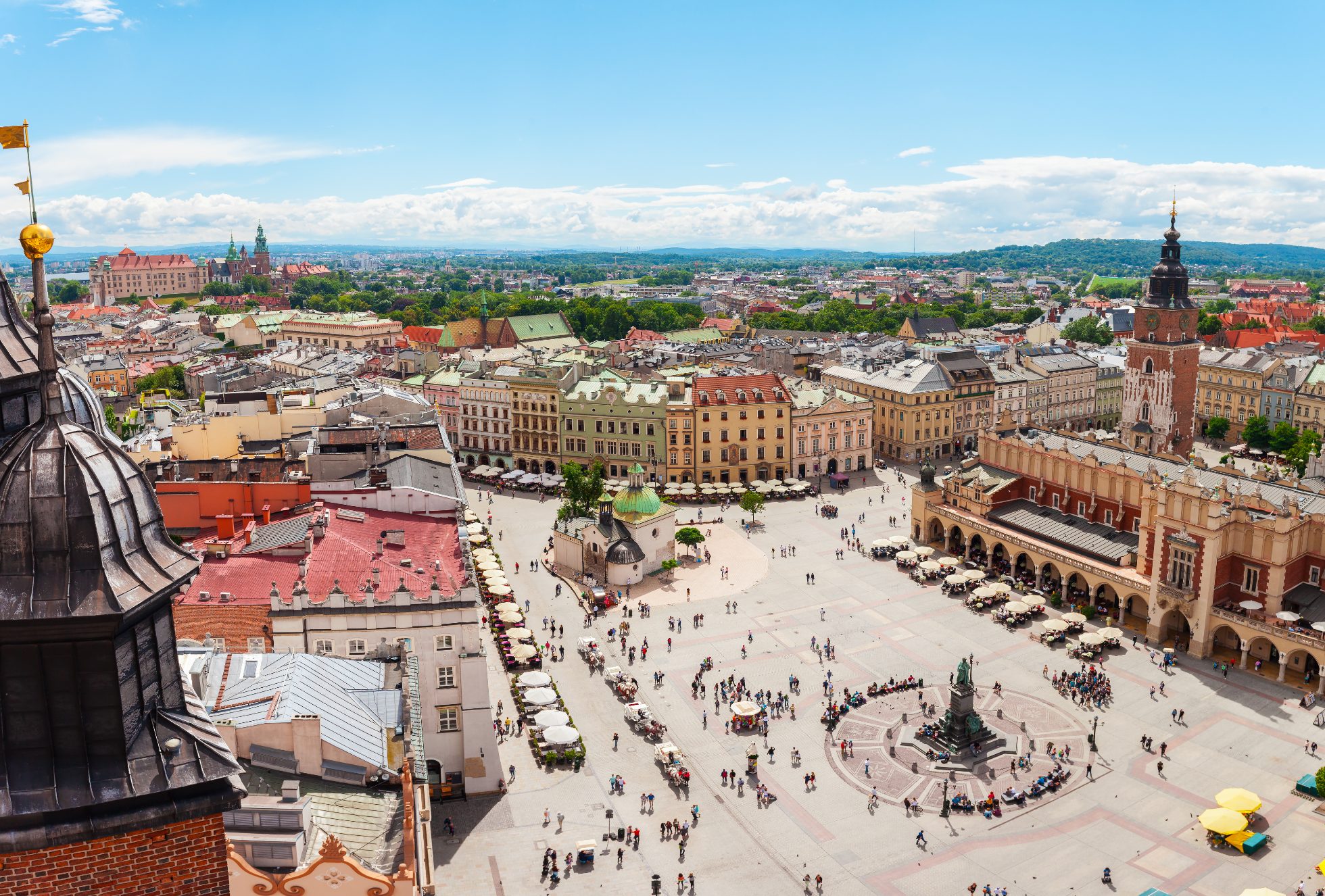
In southern Poland, the municipal landscape of Kraków has witnessed significant political upheaval. Discussions regarding the future of the city’s leadership have dominated local headlines, following procedural steps toward a potential mayoral referendum. According to reporting from Interia and TVN24, the debate centers on the accountability of the current administration and the public’s desire for more direct democratic oversight. The possibility of recalling the current leadership has led to a flurry of legal and procedural debates, reflecting a broader national trend where local governance is being held to higher standards of transparency and performance.
Conclusion: A Week of Assertive Policy
As the week draws to a close, the overarching theme in Polish public life is one of assertiveness. From Sikorski’s firm diplomatic stance in Kyiv to the government’s commitment to the CPK project, Warsaw is signaling a proactive approach to both regional security and domestic growth. While the friction with Ukraine presents a new challenge for European solidarity, the strength of the Złoty and the advancement of major national projects suggest a country confident in its economic and political trajectory. Moving forward, the balance between historical justice and strategic alliance will remain the most critical tightrope for Polish diplomacy to walk.