
This analysis explores the significant geopolitical shift in Hungary under the leadership of Péter Magyar and the TISZA party. It examines Magyar’s efforts to end the ‘illiberal’ era, unlock 20 billion euros in frozen EU funds, and the challenges of dismantling the entrenched Fidesz ‘deep state’ to return Hungary to the heart of the European Union.
By May 2026, the political landscape of Central Europe has been fundamentally reshaped. Following a historic breakthrough in the general elections, Péter Magyar and his TISZA party (Tisztelet és Szabadság Párt) have initiated what analysts describe as Hungary’s most significant geopolitical pivot since its accession to the European Union in 2004. For over a decade, Budapest was defined by the ‘illiberal’ doctrine of Viktor Orbán, a period marked by systemic friction with Brussels, vetoed budgets, and a steady erosion of the rule of law. Today, that era appears to be in its twilight as Magyar moves aggressively to mend fractured ties.
A Departure from Obstructionism
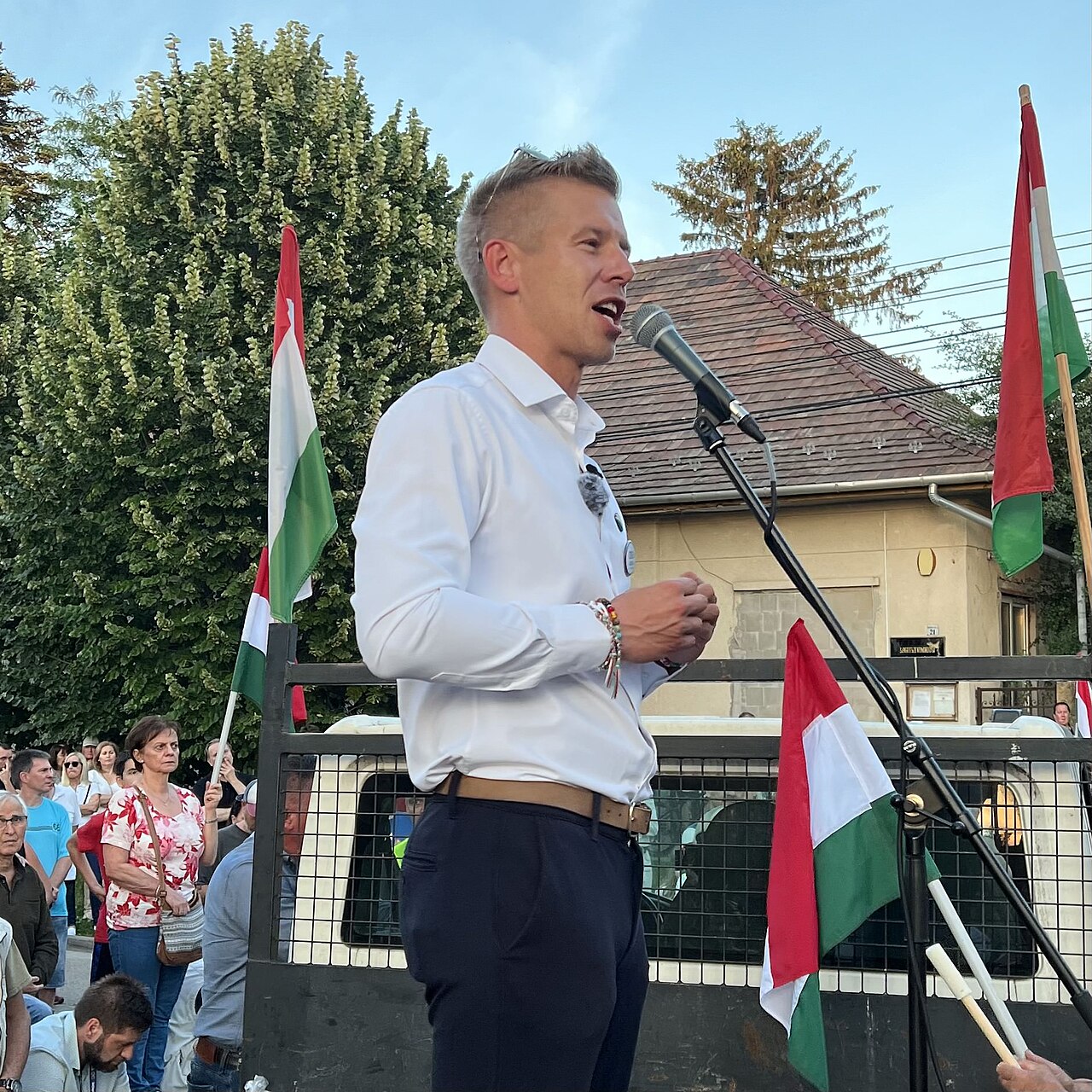
The rise of Péter Magyar is a story of an internal rupture that became a national revolution. A former Fidesz insider and diplomat, Magyar’s trajectory changed in early 2024 when he broke with the ruling party following a high-profile clemency scandal that rocked the Hungarian establishment. According to reports from the Robert Schuman Foundation, Magyar’s intimate knowledge of the Fidesz machinery allowed him to build a movement that resonated with an electorate weary of isolation and corruption. By June 2024, TISZA had already signaled its intent by capturing nearly 30% of the vote in European Parliament elections, eventually joining the European People’s Party (EPP) group.
The rhetoric coming out of Budapest has shifted from combative to collaborative. “The era of blackmailing Brussels is over; Hungary is returning to the heart of the European family,” Magyar declared in May 2026. This sentiment is more than just optics; it represents a strategic shift toward ‘constructive engagement.’ Unlike his predecessor, who frequently used Hungary’s veto as a tool of geopolitical leverage, Magyar has signaled a willingness to align with the EU’s broader foreign policy objectives and internal standards.
The Multi-Billion Euro Question
The most immediate hurdle for the Magyar administration is the restoration of the rule of law to unlock approximately 20 billion euros in frozen EU cohesion and recovery funds. These funds, withheld for years due to concerns over judicial independence and systemic corruption, are vital for a Hungarian economy struggling with the aftermath of high inflation. On May 23, 2026, Reuters reported that Magyar had announced a potential breakthrough, with a deal to release the funds expected within the coming week.
To satisfy the European Commission’s ‘super milestones,’ Magyar has proposed a series of rapid institutional reforms. Central to his platform is Hungary’s entry into the European Public Prosecutor’s Office (EPPO), a move Orbán had long resisted. By allowing independent European oversight of how EU funds are spent, Magyar aims to demonstrate a definitive break from the cronyism of the past. As noted by Politico, the negotiations in Brussels are no longer a matter of ‘if,’ but ‘when,’ as the new administration moves to codify these changes into law.
Dismantling the ‘Deep State’
Despite the optimism in Brussels, the path to a fully ‘European’ Hungary is fraught with internal obstacles. Experts at the European Policy Centre (EPC) warn that while the leadership has changed, the ‘Orbánist’ structures—often referred to as a ‘deep state’—remain deeply entrenched. For over a decade, Fidesz loyalists were appointed to long-term terms in the judiciary, the media authority, and the management of state-owned enterprises.
“What Magyar’s win means for the EU is a move from systemic obstruction to predictable cooperation. However, the ‘Orbánist’ legal and economic structures will take years to fully dismantle.” — European Policy Centre Analysis
Magyar must navigate a partisan media landscape that continues to paint him as a ‘traitor’ or a ‘Brussels puppet.’ Fidesz loyalists argue that his pivot toward Europe is a sacrifice of Hungarian national sovereignty. To succeed, Magyar must prove to his domestic base that reintegration with the EU provides tangible economic benefits that outweigh the nationalist pride stoked by the previous regime.
Conclusion: A Critical Moment for the Eastern Flank
The success of Péter Magyar’s leadership will be a litmus test for the European Union’s ability to reintegrate a state that had drifted toward authoritarianism. If Magyar can successfully balance rapid institutional reform with the economic expectations of his voters, Hungary could move from being the EU’s ‘spoiler’ to a key collaborative member on the eastern flank. While European leaders remain cautious—demanding concrete legislative actions before the full release of funds—the momentum is undeniably toward a pro-European future. The ‘Hungarian experiment’ of illiberalism is being replaced by a drive for transparency, rule of law, and mainstream center-right politics, marking a new chapter in the history of the Danube.